When death touches someone we love, words often feel insufficient. But in Islam, offering condolences is not just a kind gesture — it is a Sunnah, a sacred act of compassion that the Prophet Muhammad ﷺ practiced and encouraged.
These Islamic condolence messages are rooted in faith, anchored in Quranic wisdom, and written for real people carrying real grief. Whether you need a message for a card, a text, a social media tribute, or a face-to-face moment — everything here is ready to use, genuine, and spiritually grounded.
Islamic Condolence Messages for Every Loss and Relationship
Every loss deserves words that truly honor it. These Muslim condolence messages are written specifically for each relationship — because the grief of losing a mother feels different from losing a colleague, and the words offered should reflect that difference. If you want to read Christian Condolence Messages then visit this site.
Islamic Condolence Messages for Loss of a Mother
Losing a mother is among the most profound losses in human experience. In Islam, the mother holds an extraordinary station — the Prophet ﷺ said paradise lies beneath her feet. These Islamic sympathy messages honor both the grief and her elevated place in the faith.
“Inna Lillahi wa Inna Ilayhi Raji’un. Your mother was a gift from Allah and she has returned to Him. May He grant her the highest place in Jannah and wrap your heart in His mercy.”
“She raised you with love and faith and now she rests in Allah’s care — the most merciful of all caregivers. May your grief be eased and your heart be filled with beautiful memories of her.”
“Your mother’s duas for you never stopped in this life. May Allah accept them all and continue to protect you through her legacy of love and prayer.”
“May Allah shower your mother with His infinite mercy, grant her a peaceful resting place, and give your family the patience and strength to bear this loss.”
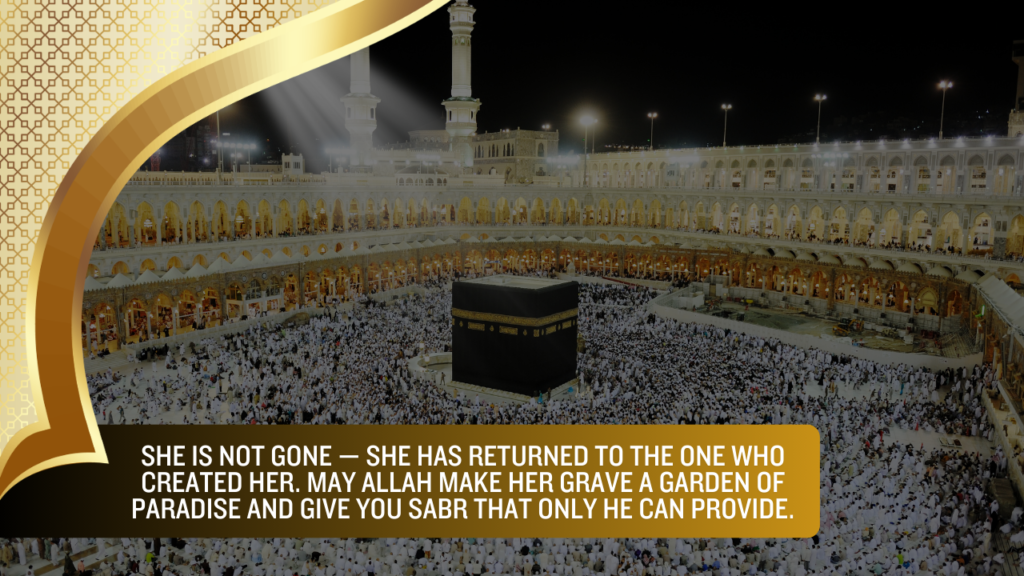
“She is not gone — she has returned to the One who created her. May Allah make her grave a garden of paradise and give you sabr that only He can provide.”
“The world feels quieter without her. May Allah fill that silence with His remembrance and surround your family with His unending grace.”
“Your mother’s love shaped who you are. May Allah honor that love by granting her Jannatul Firdaus and granting you the comfort of knowing she is at peace.”
If you want to read Jewish Condolence Messages then visit this site.
Islamic Condolence Messages for Loss of a Father
“Inna Lillahi wa Inna Ilayhi Raji’un. Your father fulfilled his trust in this world with honor and faith. May Allah grant him Jannah and give your family beautiful patience in this time of loss.”
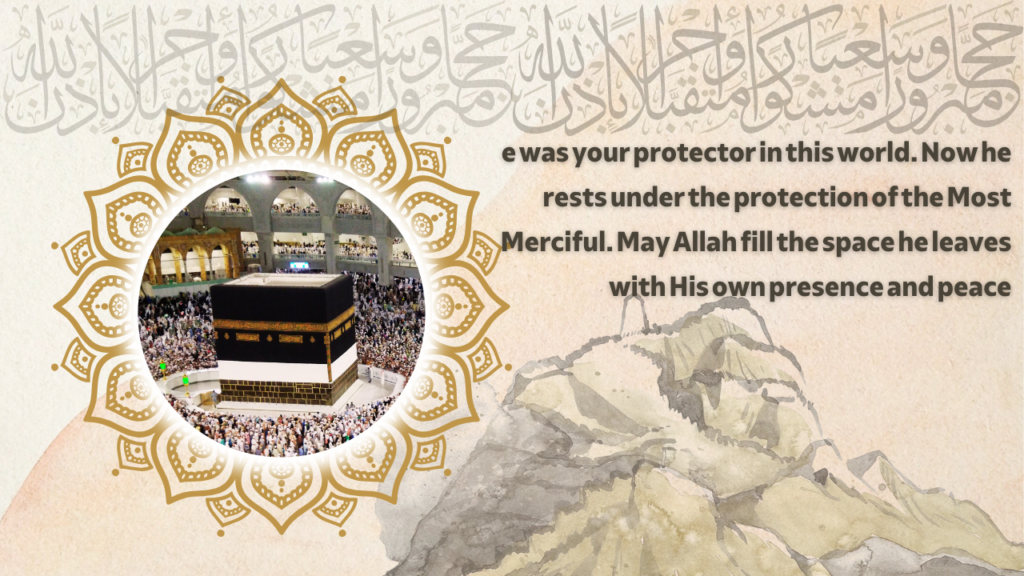
“He was your protector in this world. Now he rests under the protection of the Most Merciful. May Allah fill the space he leaves with His own presence and peace.”
“May Allah accept your father’s deeds, forgive his shortcomings with His boundless mercy, and reunite your family in the best of places.”
“Losing a father leaves a silence that nothing in this world can fill. May Allah be your comfort, your strength, and your guide through this grief.”
“Your father’s legacy lives on in every good deed he taught you. May Allah reward him for every lesson and every sacrifice. You are in my prayers.”
“May Allah grant your father the coolness and peace of Jannah and grant you the sabr of those who truly trust in His plan.”
Islamic Condolence Messages for Loss of a Spouse
“Inna Lillahi wa Inna Ilayhi Raji’un. They were your partner in this dunya and may Allah make you partners again in the akhirah. Sending you love and sincere duas during this unbearable time.”
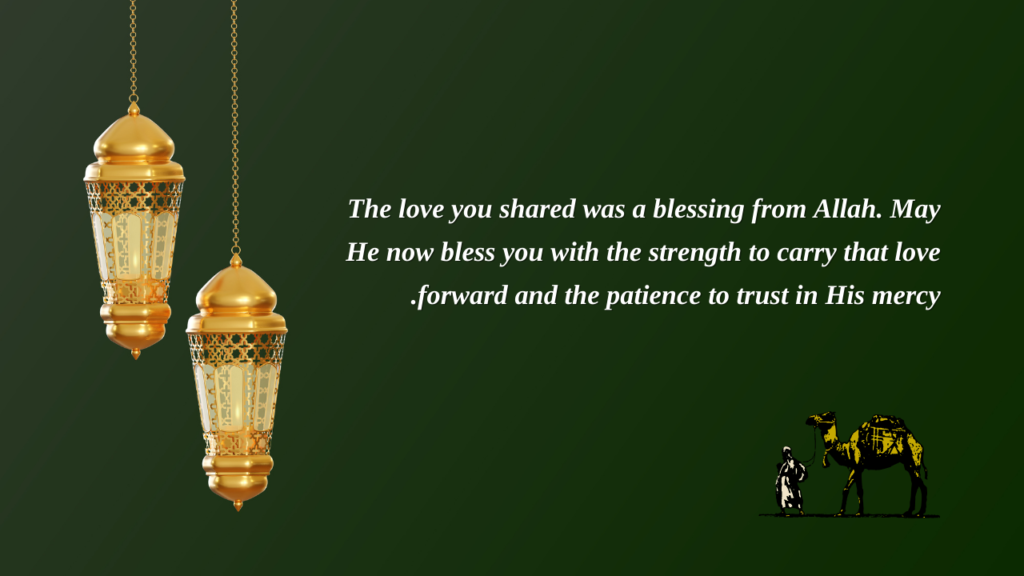
“The love you shared was a blessing from Allah. May He now bless you with the strength to carry that love forward and the patience to trust in His mercy.”
“Losing your partner is losing part of your own soul. May Allah heal what only He can heal and be closer to you now than He has ever been.”
“May Allah grant your beloved spouse Jannah, make their grave a place of light and ease, and wrap your grieving heart in His most tender mercy.”
“You loved them faithfully in this world. May Allah honor that love by reuniting you in a place where no goodbyes exist. Keeping you in my prayers.”
Islamic Condolence Messages for Loss of a Child
No loss silences the heart like the loss of a child. Islamic tradition offers profound comfort here — the Prophet ﷺ taught that a child who dies before their parents will intercede for them at the gates of Jannah. These Muslim sympathy messages carry that sacred hope.
“There are no words equal to this loss. Only duas. May Allah grant your child the highest station in Jannah and give you a patience and peace that can only come from Him.”
“Inna Lillahi wa Inna Ilayhi Raji’un. Allah loved your child more than any of us could. May He make them a light for you on the Day when you need it most.”
“Your child was a trust from Allah — brief, precious, and perfectly loved. May He return that love to you a thousandfold in the akhirah and give you strength in every moment until then.”
“I cannot find words. But I can make dua — and I am making it for you constantly. May Allah hold your child in His mercy and hold you in His arms of comfort.”
“May Allah make your child a source of shafa’ah for you, grant them the gardens of Jannah, and fill your broken heart with His own light.”
Islamic Condolence Messages for a Friend or Colleague
“Inna Lillahi wa Inna Ilayhi Raji’un. I am so deeply sorry for your loss. May Allah grant your loved one Jannah and grant you and your family beautiful sabr.”
“May Allah have mercy on the one you have lost, ease the pain in your heart, and surround your family with His comfort and grace.”
“Your loved one is remembered with so much warmth. May Allah honor their life with His mercy and honor your grief with His healing.”
“Sending you my heartfelt condolences and my sincere duas. May Allah make this trial a source of elevation for your loved one and a source of strength for you.”
“May the remembrance of Allah bring peace to your heart in this time of sorrow. You and your family are in my prayers.”
Short Islamic Condolence Messages with Dua and Arabic Phrases
Sometimes the most powerful Islamic condolence is the shortest one — especially when it carries the weight of authentic Arabic phrases and sincere dua. These messages are perfect for texts, cards, and quick but meaningful gestures.
Short Islamic Condolence Messages with Dua for the Deceased
“May Allah grant them Jannah al-Firdaus — the highest paradise — and illuminate their grave with His light.”
“Allahummaghfir lahu warhamhu wa’afihi wa’fu ‘anhu. May Allah forgive them, have mercy on them, and pardon them completely.”
“May Allah accept all their good deeds, forgive every sin, and welcome them with His most beautiful mercy.”
“May the angels of mercy greet them and may Allah make their transition easy, peaceful, and full of His light.”
“May Allah grant them a resting place of peace, coolness, and the company of the righteous.”
Inna Lillahi wa Inna Ilayhi Raji’un — Messages Built Around This Phrase
Inna Lillahi wa Inna Ilayhi Raji’un — “Indeed we belong to Allah and indeed to Him we shall return” — is the most sacred phrase in Islamic bereavement. It comes directly from Surah Al-Baqarah (2:156) and carries immeasurable comfort. Every message built around it becomes an act of worship.
“Inna Lillahi wa Inna Ilayhi Raji’un. We belong to Allah and to Him is our return. May He receive your loved one with open mercy and give you the peace that only He can.”
“Inna Lillahi wa Inna Ilayhi Raji’un. This life is a loan and Allah has reclaimed what was always His. May He grant your family beautiful patience and unshakeable faith.”
“Inna Lillahi wa Inna Ilayhi Raji’un. They returned to the Most Merciful of all. May that truth be your greatest comfort in this season of grief.”
“Inna Lillahi wa Inna Ilayhi Raji’un. May Allah make their return to Him gentle, their resting place a garden, and your heart a place of healing.”
One-Line Islamic Sympathy Messages for Texts and Cards
“Inna Lillahi wa Inna Ilayhi Raji’un. May Allah grant them Jannah and you sabr.”
“May Allah’s mercy be wider than your grief right now. You are in my duas.”
“To Allah we belong and to Him we return. May He make this return a beautiful one.”
“Sending duas and love. May Allah ease your heart and honor your loved one.”
“May Jannah be their home and may peace be yours. In my prayers always.”
“May Allah grant them noor in their grave and grant you noor in your heart.”
Islamic Condolence Messages for Specific Situations
Not all loss arrives the same way. These situation-specific Islamic sympathy messages speak to the particular nature of each grief — because how someone died shapes how the living grieve.
Islamic Condolence Messages for Sudden or Unexpected Death
Sudden death brings shock alongside aza — the state of mourning. The disbelief can make faith feel distant. These messages gently bring Allah’s wisdom and sovereignty back into focus.
“No one was prepared for this loss — but Allah was never surprised. May His plan bring you peace when nothing else makes sense right now.”
“Inna Lillahi wa Inna Ilayhi Raji’un. When death arrives suddenly it is a reminder that our time is always in Allah’s hands. May He give your family the sabr only He can provide.”
“The shock of this loss is real and valid. May Allah hold your heart in the moments when grief overwhelms and remind you that He is Al-Qarib — the Ever Near.”
“We did not see this coming. But Allah is Al-Alim — the All-Knowing — and He sees what we cannot. May His wisdom be your comfort when answers do not come.”
“Some losses leave us speechless before Allah. May He honor your silence with His mercy and answer every unspoken question with His peace.”
Islamic Sympathy Messages for Death After Illness
When someone passes after a long illness, Islam offers profound perspective. The Prophet ﷺ taught that every difficulty a believer endures — including illness — becomes an expiation of sins. These messages honor both the struggle and the relief.
“Their suffering is over and they are now in Allah’s mercy — the most complete rest any soul can know. May He reward their patience and yours.”
“They bore their illness with faith and Allah never wastes the patience of those who trust Him. May He grant them a reward as vast as their trial.”
“The long road of illness has ended in the most peaceful destination — with Allah. May He now give your family the healing and rest you also deserve.”
“In Islam every pain a believer endures is a purification. They left this world clean and beloved by Allah. May that truth bring you real comfort.”
“You cared for them with so much love. May Allah honor every sleepless night and every sacrifice with the most generous reward — in this life and the next.”
Islamic Condolence Messages for Non-Muslim Friends and Colleagues
Many American Muslims need to express condolences to non-Muslim friends in a way that is warm, respectful, and genuine without imposing religious language. These messages strike that balance with care.
“I am so deeply sorry for your loss. You and your family are in my thoughts and prayers during this incredibly difficult time.”
“Losing someone you love this much leaves a mark that takes time to heal. I am here for you in whatever way you need — now and always.”
“My heart is with you and your family. I am keeping you in my prayers and sending you all the comfort and strength I can.”
“Please know you do not have to face this alone. I am thinking of you every day and I am here whenever you need anything at all.”
“Your loved one was special and their absence will be deeply felt. Sending you love, peace, and sincere prayers for your healing.”
Frequently Asked Questions About Islamic Condolence Messages
These are the most searched questions about Islamic condolences — answered with accuracy, depth, and genuine Islamic knowledge.
What is the dua for condolences in Islam?
The most authentic dua for condolences in Islam comes directly from the Sunnah of the Prophet Muhammad ﷺ. When offering condolences he would say: “Inna Lillahi ma akhatha, wa lahu ma a’ta, wa kullu shay’in ‘indahu bi ajalin musamma, faltasbir waltahtasib” — meaning “To Allah belongs what He took, and to Him belongs what He gave. Everything with Him has an appointed time — so be patient and seek reward.” This dua acknowledges Allah’s ownership of all souls while encouraging sabr — the patience that earns divine reward. A simpler and widely used short dua is: “Allahummaghfir lahu warhamhu wa’afihi wa’fu ‘anhu” — asking Allah to forgive the deceased, have mercy on them, grant them well-being, and pardon them.
How do you say condolences when someone dies in Islam?
In Islam condolences — known as ta’ziyah — are ideally offered within three days of the death, though they may be given later if circumstances prevent earlier contact. The most important phrase is Inna Lillahi wa Inna Ilayhi Raji’un — “Indeed we belong to Allah and indeed to Him we shall return” — taken from Surah Al-Baqarah 2:156. It is also Sunnah to prepare and send food to the grieving family as the Prophet ﷺ instructed his companions to do so after the death of Ja’far ibn Abi Talib. Visiting in person, sitting with the bereaved, and making dua for both the deceased and the living are all encouraged acts of Islamic bereavement etiquette.
What is the best condolence message?
The best Islamic condolence message is one that combines three elements — acknowledgment of the loss, a sincere dua for the deceased, and an expression of support for the grieving. It should never minimize the pain or rush the person toward acceptance. The phrase Inna Lillahi wa Inna Ilayhi Raji’un is the foundation of any strong Islamic condolence because it reminds both the sender and the receiver of the ultimate truth — that all souls belong to Allah. Adding a personal touch — a memory of the deceased, a specific dua, or a genuine offer of support — elevates any message from kind to truly comforting.
What to say in Islam if someone has died?
When someone dies in Islam there are specific Sunnah responses. Upon hearing of a death a Muslim says Inna Lillahi wa Inna Ilayhi Raji’un — this is both a personal expression of faith and an offering of comfort to those present. When speaking to the bereaved you may say “A’dhamallahu ajrak” — meaning “May Allah magnify your reward” — which is a deeply comforting phrase from the Prophetic tradition. Avoid saying things like “it was their time” or “at least they are not suffering” as these can feel dismissive of genuine grief. Instead simply be present, make dua, offer practical help, and let the bereaved know they are not alone — because in Islam community support during mourning is itself an act of worship.
Islamic Condolence Messages for Social Media and Online Tributes
Sharing condolences online has become a meaningful part of how Muslim communities in America grieve and support one another. These faith-based Islamic sympathy messages are written specifically for Facebook posts, Instagram tributes, and online memorial pages — where sincerity and brevity carry the most weight.
Islamic Sympathy Messages for Facebook and Instagram Posts
“Inna Lillahi wa Inna Ilayhi Raji’un. A beautiful soul has returned to Allah. May He grant them Jannah and grant their family the most beautiful sabr.”
“Gone from our sight but held in Allah’s mercy forever. Our duas and our love go out to this entire family.”
“May Allah illuminate their grave, accept their deeds, and welcome them with His most generous mercy. Ameen. You are in our prayers.”
“A life that touched so many has returned to the Most Merciful. May Allah honor them in the akhirah as they were honored here. Innalillahi wa inna ilayhi raji’un.”
“Their memory lives in every life they touched. May Allah reward them for every good they left behind and surround their family with His peace.”
“Until we meet again in Jannah — may Allah keep them in the best of company and keep your heart in the warmth of His mercy. Sending love and duas.”
Short Faith-Based Islamic Condolence Captions for Online Memorials
“Inna Lillahi wa Inna Ilayhi Raji’un. May Jannah be their eternal home.”
“Returned to Allah — the Most Merciful, the Most Loving. May He honor them as they deserved.”
“Not gone — just ahead of us. May Allah reunite us all in the best of places.”
“A soul beloved by Allah and missed by all of us. May His mercy be their companion forever.”
“In loving memory — held in Allah’s light always. Our duas never stop for you and your family.”
“May every dua sent for them be a light in their grave and a comfort in your heart.”
How to Offer Islamic Condolences the Right Way
Knowing the right words is only part of offering Islamic condolences well. Understanding the etiquette, the cultural depth, and what genuinely comforts a grieving Muslim family makes your gesture far more meaningful.
What to Say and What to Avoid When Offering Islamic Condolences
What to say: Begin with Inna Lillahi wa Inna Ilayhi Raji’un. Make dua for the deceased by name if possible. Offer practical support — food, presence, help with arrangements. Say “A’dhamallahu ajrak” to acknowledge their reward for patience. Keep your visit focused on the bereaved — listen more than you speak.
What to avoid: Never say “everything happens for a reason” in a way that dismisses real grief. Avoid excessive questioning about how the person died — it reopens wounds repeatedly. Do not laugh excessively or speak loudly in the home of the bereaved during the aza period. Avoid bringing up inheritance or estate matters. Most importantly never tell someone to stop crying — the Prophet ﷺ himself wept at the death of his son Ibrahim and said: “The eyes shed tears and the heart grieves but we do not say anything except what pleases our Lord.”
The Islamic Mourning Period — Understanding Iddah and the Three Day Custom
Islam prescribes a three-day mourning period for the death of any family member or friend. During this time the bereaved receive visitors, accept condolences, and are supported by their community. The community — neighbors, the masjid, extended family — is encouraged to provide meals so the grieving family does not need to cook.
For a widow specifically Islam prescribes iddah — a mourning period of four months and ten days during which she refrains from remarriage. This is not a punishment but a sacred period of transition that Islamic scholars describe as both a legal waiting period and a spiritual process of healing. According to Islamic jurisprudence across all four major madhabs — Hanafi, Maliki, Shafi’i, and Hanbali — the widow’s needs during this time are the responsibility of the broader community to support. Understanding these Islamic mourning customs helps both Muslims and non-Muslims offer support in a way that is truly helpful and culturally respectful.
Conclusion
Islamic condolence messages are more than words on a screen or ink on a card. They are acts of ta’ziyah — a Prophetic tradition that connects the bereaved to their community and ultimately to Allah at the moment they need that connection most.
The right message does not take away grief. Nothing does. But it reminds a hurting heart that they are seen by people and by God — that this loss matters, that the deceased is being prayed for, and that they do not have to carry the weight alone.
Choose the message that feels truest. Add a name. Send it with a sincere dua. Because in Islam — reaching out to someone in their grief is itself an act of worship.

I am a professional content writer with over five years of experience creating high-quality, engaging, and SEO-optimized content. I specialize in blog posts, website content, and persuasive copy that helps brands grow their online presence. My focus is on delivering clear, compelling, and value-driven content tailored to each client’s goals.